
"Brazilian coffee system"
1000 article(s) found

Brazilian coffee beans collectively known as Brazilian coffee beans taste as smooth and sweet as vanilla cream
Professional coffee knowledge exchange more coffee bean information please follow the coffee workshop (Wechat official account cafe_style) front street-Brazilian Coffee introduction when it comes to coffee, people always think of Brazil. It is a miracle that this country, which originally did not grow coffee, became the largest coffee grower and shipper in the world after it was introduced in 1720.
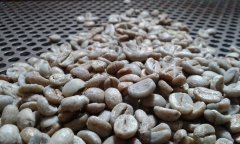
COB: a complex evolutionary history of the official grading system for raw coffee beans in Brazil
For more information on coffee beans, please follow the Coffee Workshop (Wechat official account cafe_style) cob: the complex history of the official classification system in Brazil the origin of cob sensory analysis has provided an important mechanism for pricing goods around the world since the beginning of trade. Color, smell and taste are one of many attributes used to grade a wide range of food and agricultural products.
How to grade raw beans of Brazilian coffee? how to divide the grading system of Brazilian coffee?
Professional coffee knowledge exchange more coffee bean information please follow the coffee workshop (Wechat official account cafe_style) front street-Brazil coffee graded introduction coffee bean origin management methods are different, some are composed of large and small farmers, some are dominated by professional business owners, even in the same place of coffee, its quality and flavor are also different, in order to mark coffee products

Coffee Bean Coffee Origin rating system in Brazil
The grading system of Brazilian coffee is very special, which is based on the results of the Brazilian cup test as the main basis for grading, rather than referring to altitude, bean size, and so on, as most other coffee beans do. So when we choose and buy Brazil, we often add the number of coffee beans to show its size.

Brazilian coffee boutique coffee Brazilian coffee flavor
In recent years, coffee producing countries no longer blindly pursue high output while neglecting quality. Many countries have begun to introduce a new coffee evaluation system in order to arouse the enthusiasm of producers and promote the production of fine coffee. For example, Brazil began to implement the Cup of excellence coffee rating system in 1999 in order to better subdivide boutique coffee. And boutique coffee has become

Third place in Brazil COE-Sitio Tanque Tango Manor Information _ Brazilian Fine Coffee processing system
Professional coffee knowledge exchange more coffee bean information please follow the coffee workshop (Wechat official account cafe_style) Brazil COE International Competition: half-Sun treatment Group International third Tango Manor (Sitio Tanque) Farmer: Merce Jordan Araujo Silva International judges Flavor description: 89.47BlackBerry, lime, chocolate, caramel, Cabernet grape, apple
Description of Taste and Flavor of Brazilian Coffee introduction to the grading system of Coffee varieties in Brazil
As we all know, Brazil is not only a football kingdom, but also a country surrounded by palm trees and coffee. Some people call Brazil the giant and monarch of the coffee industry. Brazil produces the highest amount of coffee in the world.

Production time of Brazilian coffee beans introduction to the processing methods and main producing areas of Brazilian coffee bean planting system
Professional coffee knowledge exchange more coffee bean information please follow the coffee workshop (Wechat official account cafe_style) Brazil has seven states producing coffee, a total of 14 coffee producing areas, the following details of these Brazilian coffee producing areas. Sao Paulo State (Mogiana, Centro-Oeste) Parana State (Norte Pionerio do Paran) Bahia State (Planaltoda)
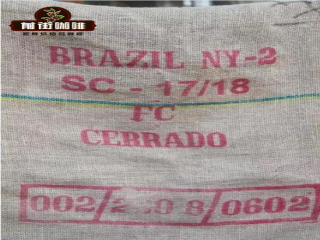
The taste characteristics of Brazilian coffee beans describe what Brazilian coffee beans taste good, and the Brazilian grading system is introduced.
Brazil is the most important coffee producer in the world, accounting for 1x3 of the world's total output, and it is also the second largest coffee consumer in the world (the first is the United States). The length of the dry season in Brazil may even affect the price of coffee in the world, especially due to the impact of the epidemic this year, the progress of coffee harvest in Brazil has slowed down. Brazil

Colombian Coffee Story Colombian Coffee grading system Colombian Coffee beans are
Professional coffee knowledge exchange more coffee bean information please follow the coffee workshop (Wechat official account cafe_style) Coffee beans are subdivided by the name of the country of production or origin or port of shipment, such as the size or quality of beans, the elevation of the cultivation place and other characteristics, but even if the coffee of the same name, its taste and aroma will still be due to the harvest year, climate, harvest and other factors.

What are the characteristics of Brazilian coffee beans? How do you make Brazilian coffee?
Professional coffee knowledge exchange More coffee bean information Please pay attention to coffee workshop (Weixin Official Accounts cafe_style) Brazil is the largest country in Latin America and the world's largest coffee producer in the past 150 years. A third of the world's coffee comes from Brazil, followed by Vietnam, Colombia and Indonesia. Annual production in Minas Gerais, south-eastern province alone (20 million bags)

Brazil's unique coffee grading system-cup evaluation test introduces how Brazilian coffee is graded.
Professional coffee knowledge exchange more coffee bean information please pay attention to the coffee workshop (Wechat official account cafe_style) on the other side of Africa is the Americas, although the birthplace of coffee is in Africa, but the American side always ranks first, and the most representative is Brazil; for Brazil, what fans will not forget are 3R Ronaldo, Rivaldo, Ronaldinho and samba.

Introduction to the characteristics of the manor producing area of Brazilian coffee with mellow taste
After the establishment of the Brazilian Empire during the Imperial period (1822-1889), the system of the Braganca dynasty and the Portuguese aristocratic forces remained intact, the great manor system and slavery still existed, and Brazil was dependent on Britain economically and politically. Pedro I exercised autocratic rule, forcibly dissolved parliament in 1823, and then used force to suppress Republican uprisings in northeastern provinces such as Pernambuco. 1889

Introduction to the characteristics of flavor and taste varieties in Brazilian coffee manor with unique advantages
On April 22, 1500, Portuguese navigator Pedro Cabral arrived in Brazil. He named the land the Holy Cross and declared it to be owned by Portugal. As the plunder of the Portuguese colonists began with the cutting of Brazilian mahogany, the word Brasil gradually replaced the holy cross as the name of Brazil, and is still in use today, and its Chinese transliteration is Brazil. Portugal in the 1630s
Brazilian coffee bean grading system Brazilian coffee growing characteristics Different hand brewing methods Flavor taste comparison
Brazilian coffee beans refer to all coffee beans grown in Brazil. In addition to Sanduo Division, Brazilian beans are mostly cheap coffee. Mixed coffee beans that can be used for mass production, mostly for heavy roasting. The main ingredient of instant coffee is Brazilian coffee beans. When the coffee bean germ is very fresh, artificially refined, let it be natural

Brazilian coffee flavor with low sour taste introduction to boutique coffee beans in manor production area
After the establishment of the Brazilian Empire during the Imperial period (1822-1889), the system of the Braganca dynasty and the Portuguese aristocratic forces remained intact, the great manor system and slavery still existed, and Brazil was dependent on Britain economically and politically. Pedro I exercised autocratic rule, forcibly dissolved parliament in 1823, and then used force to suppress Republican uprisings in northeastern provinces such as Pernambuco. 1889

Brazilian Coffee Main Producing Areas Brazilian Fine Coffee Brazilian Coffee Flavor Manor Introduction
Brazil's terrain is mainly divided into two parts, one part is the Brazilian plateau above 500 meters above sea level, distributed in the south of Brazil, and the other part is the plain below 200 meters above sea level, mainly distributed in the Amazon River Basin in the north and the west. The terrain is divided into Amazon Plain, Paraguay Basin, Brazilian Plateau and Guyana Plateau, among which Amazon Plain accounts for about 1/3 of the country's area. have

The older and stronger the acidity, the flavor and taste of Brazilian coffee. Introduction to the characteristics of fine coffee in the manor area.
The Portuguese expedition established a colony in Pakistan in the 1630s. The Governor was appointed in 1549. The entire colony was then United along the Atlantic coast under Portuguese rule. The French invaded in 1555, occupied the equivalent of present-day Rio de Janeiro, and intended to set up a French colonial stronghold in South America. However, because the French were unable to attract colonists from Europe,
Flavor description of coffee beans in Brazilian manor introduction to the taste characteristics of coffee beans in Brazilian manor
Professional coffee knowledge exchange more coffee bean information please follow the coffee workshop (Wechat official account cafe_style) Stio So Sebastio farm history Sitio Sao Sebastiao story began in the mid-1990s. This is a pristine area where the father of the coffee producer grows about one hectare of coffee. Twenty years later, the area was dominated by his son Macy

Does Brazilian coffee taste good? what's the name of the best coffee in Brazil?
Professional coffee knowledge exchange more coffee bean information please follow the coffee workshop (Wechat official account cafe_style) coffee production area. Brazil has 26 states and 17 states produce coffee, but 7 of them produce the largest, accounting for 98% of the country's total output. , of which: Parana, SaoPaulo, Min